
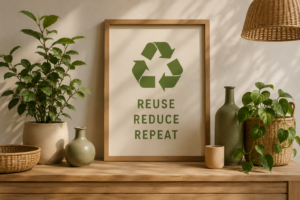
Sustainability: Furnishing with a Green Perspective
Sustainability is no longer just a trend in architecture and interior design, it has become a necessity. Today, thoughtful interiors are not only beautiful and functional, but also responsible. From choosing eco-friendly materials to embracing furniture rental as a smarter alternative to ownership.
The Shift Toward Conscious Interiors
Traditional furniture consumption often follows a cycle of fast production, short-term use, and disposal. Many mass-produced pieces are made with low-quality materials that deteriorate quickly, leading to unnecessary waste and increased environmental impact. As a result, landfills continue to fill with discarded furniture, while the demand for raw materials places pressure on natural resources.
Sustainable interior design challenges this model by encouraging durability, reuse, and mindful consumption.
Rental: A Smarter and More Sustainable Alternative
One of the most effective ways to reduce waste in the furnishing industry is through furniture rental. Rather than purchasing items that may only be used temporarily, renting allows individuals and businesses to access high-quality furniture without contributing to overconsumption.
This model is especially relevant in today’s fast-moving world, where lifestyles frequently change. Students relocate, professionals move between cities, families grow, and businesses redesign offices more often than ever before.
Furniture rental supports a circular economy by extending the lifecycle of each piece. This significantly reduces material waste, lowers manufacturing demand, and decreases carbon emissions associated with production and transportation.
Beyond the environmental benefits, rental also offers flexibility and affordability. Consumers can refresh their interiors without the financial and ecological burden of repeatedly purchasing new items.
Eco-Friendly Materials Matter
Designers and manufacturers are increasingly turning to renewable, recycled, and responsibly sourced materials such as:
- Reclaimed wood
- Bamboo
- Recycled metal
- Organic textiles
- Natural fibers like linen, hemp, and jute
- Low-VOC paints and finishes
These materials require fewer resources to produce and often have a lower environmental impact throughout their lifecycle. In addition, they contribute to healthier indoor environments by reducing exposure to harmful chemicals commonly found in synthetic materials and finishes.
The Future of Sustainable Living
As awareness grows, sustainability is becoming central to the future of design. Consumers are increasingly seeking brands and solutions that align with their environmental values, while designers are prioritizing circular practices and responsible sourcing.
Sustainable design is ultimately about balance: creating beautiful spaces that respect the planet while supporting the evolving needs of modern life.
